High Sheriff Young Engineer Awards Oxford
We are proud to showcase the 2026 winners of the annual High Sheriff Young Engineer Awards Oxford. These talented young engineers have impressed with their innovative designs, technical expertise.
Please see below for the full list of winners and their projects.
Tia Ali – Cherwell School
Winner – Year 8 & 9 Award
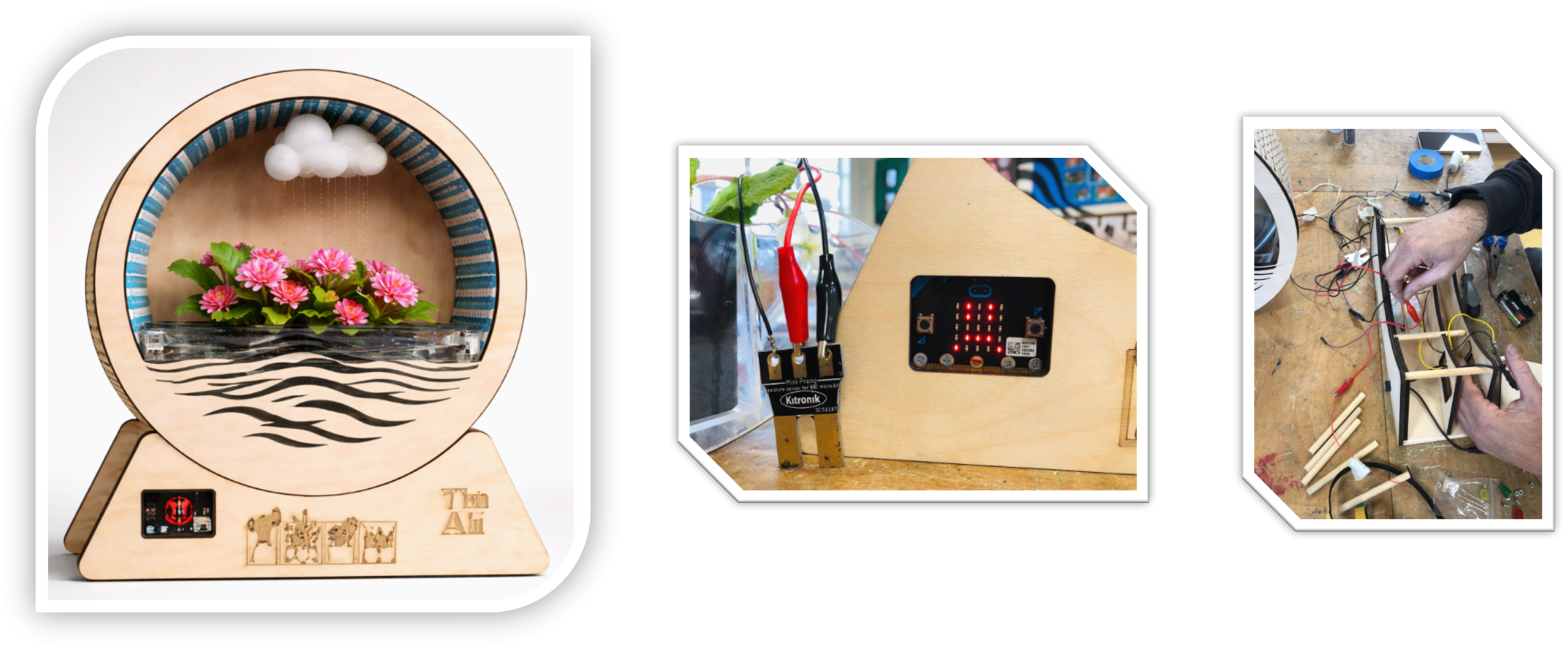
Tia has developed and built the “Hydrosphere”, an autonomous plant-watering system that addresses the challenge of inconsistent plant care. Using a Micro:bit, moisture sensors, and a submersible pump, the system automatically monitors and maintains soil moisture levels. Through extensive prototyping, Tia overcame significant engineering challenges, mastering acrylic line-bending techniques to create a watertight reservoir and redesigning the structure to discreetly house wiring and electronics without compromising the circular aesthetic, which she chose to symbolise the natural water cycle. A unique 3D-printed cloud-shaped delivery head simulates natural rainfall, providing even water distribution. Combining innovative problem-solving, iterative design, and technical precision, Tia has produced a highly effective and professional engineering solution.
Nicole Chan - Didcot Girls School
Winner – Year 10 & 11 Award
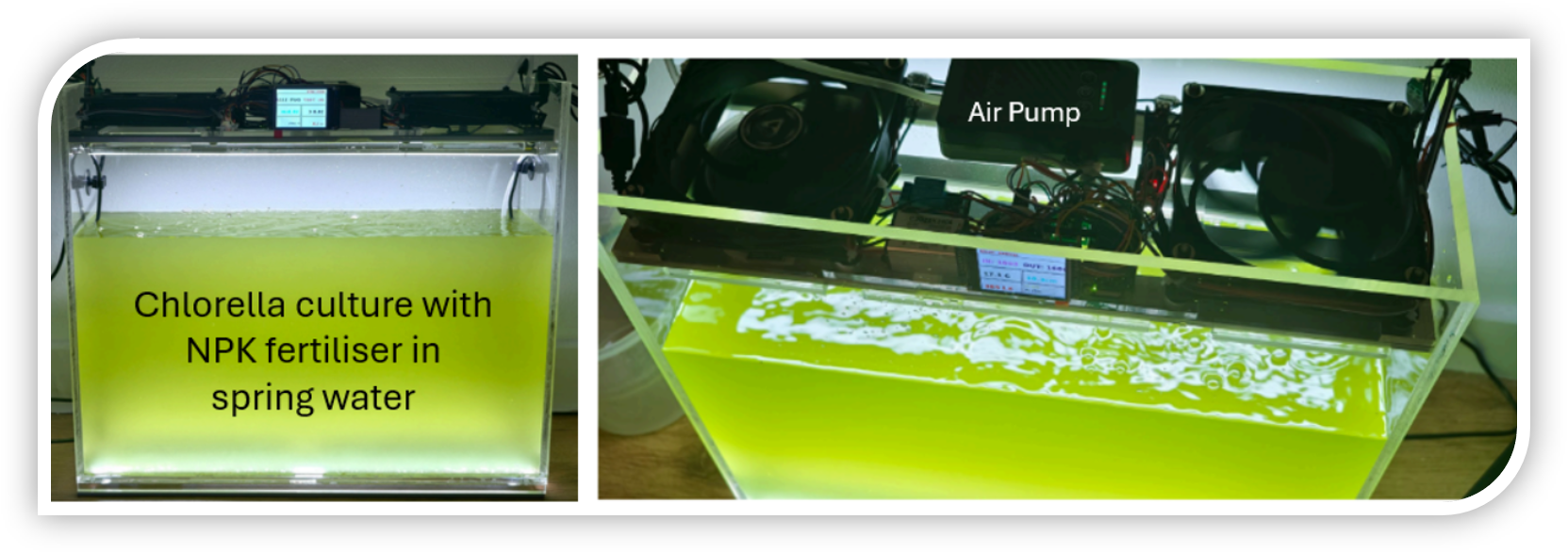
Nicole has designed and constructed a Bioflux Oxidiser, a system that uses algae-based photosynthesis to recycle carbon dioxide into oxygen in enclosed environments. Inspired by her interest in biomedical engineering, she integrated advanced technologies including a Raspberry Pi controller, IoT monitoring, HEPA filtration, automated lighting, temperature control and airflow management to optimise oxygen production. Nicole carefully considered efficiency, sustainability, material selection and user interaction throughout the project. Despite engineering not being taught at her school, she successfully combined scientific understanding with technical expertise to create a sophisticated solution with real-world healthcare and environmental applications. This project demonstrates exceptional innovation and engineering ability.
Edward Marland - Didcot Sixth Form
Winner – Year 12 & 13 Award and High Sheriff Award
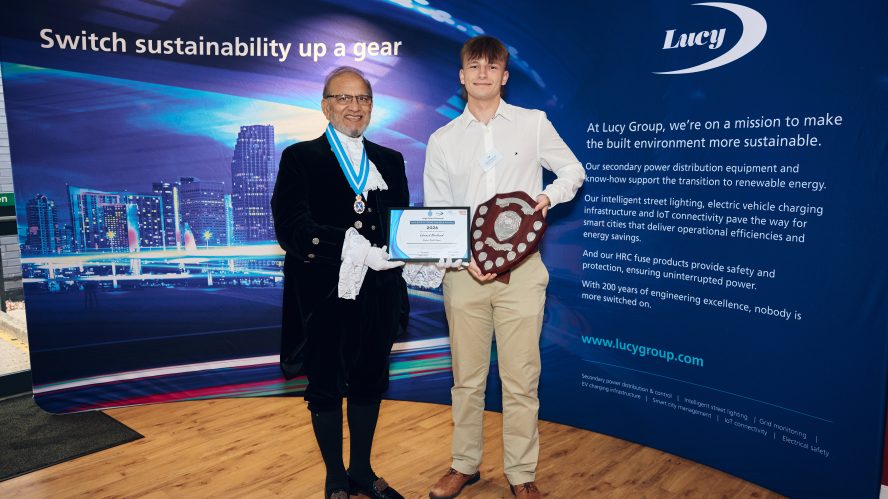
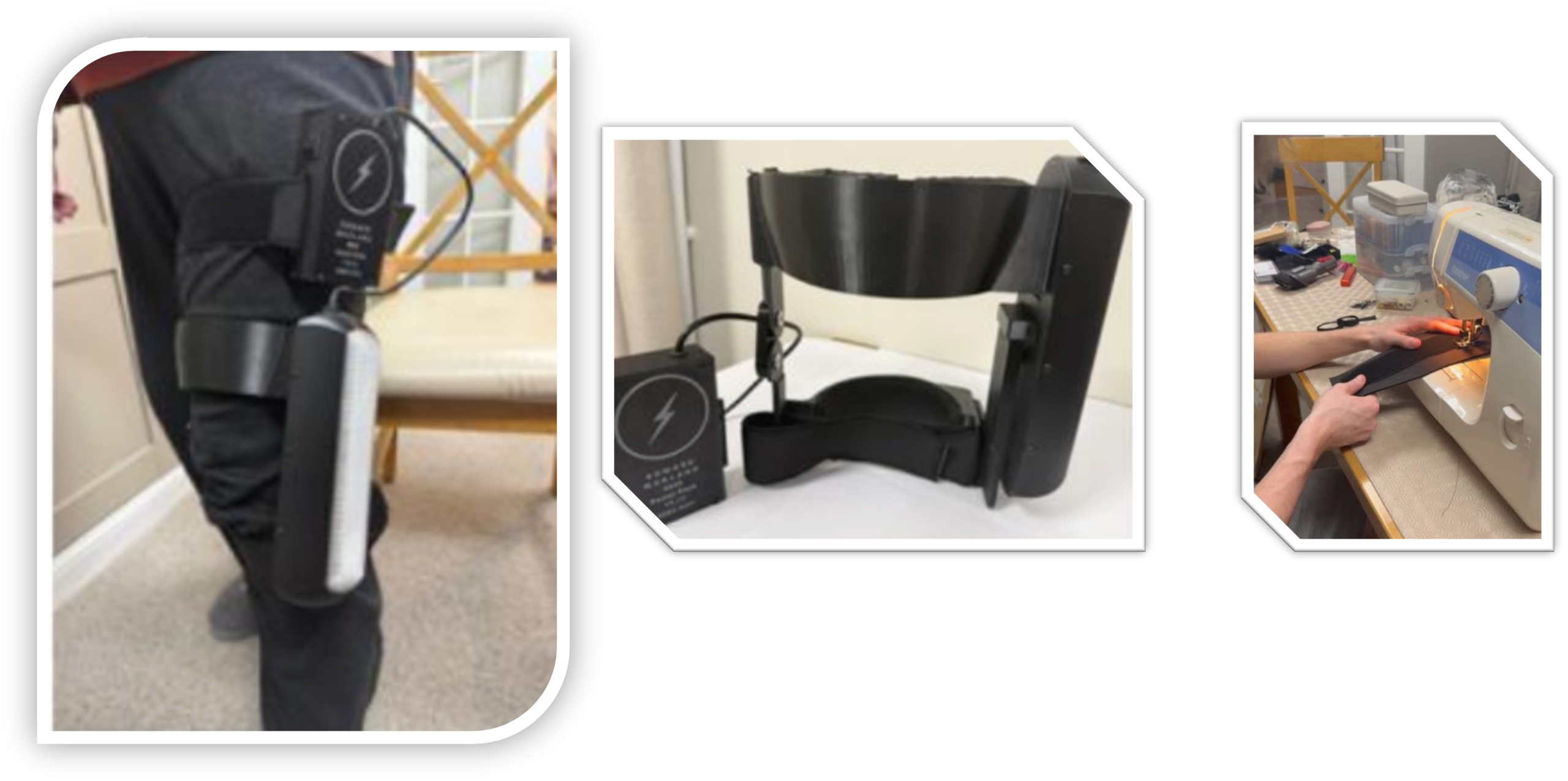
Edward has designed and developed an innovative electronic knee brace to assist users with injury, reduced mobility and long-term joint conditions. Combining biomechanics research, user-centred design and extensive consultation with athletes and medical professionals, he created a wearable device that supports leg movement and improves mobility. The project integrated advanced CAD modelling, 3D scanning, electronics, microcontroller programming and iterative prototyping. Edward successfully incorporated sensors, motors, gearing systems and safety features, while refining performance through rigorous testing and evaluation. Ethical user trials demonstrated measurable improvements in comfort and mobility, highlighting exceptional engineering, problem-solving and technical ability with strong potential in biomedical engineering.
Team Award
Team Award Winner: Didcot Girls School
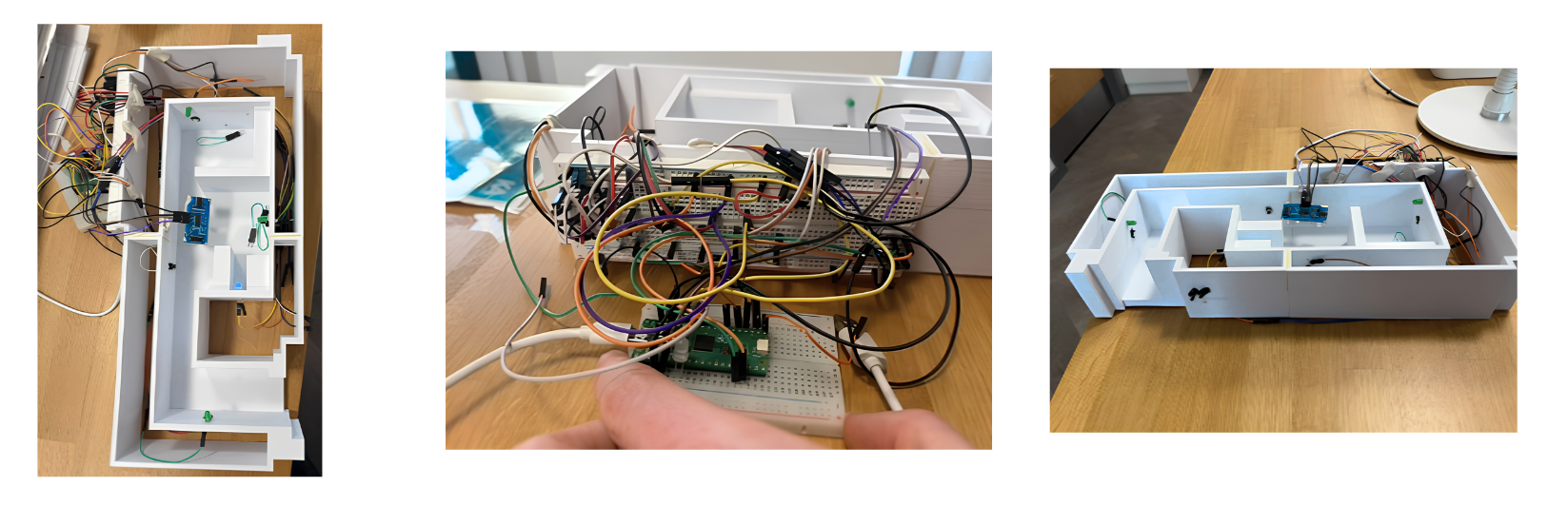
A team of six students demonstrated outstanding collaboration, problem-solving and technical development through the design of a working safety system model for a neutron irradiation laboratory. Using the building plans of the NILE unit at the Rutherford Appleton Laboratory, they created and 3D-printed a detailed scale model before developing key safety features, including a key exchange system, motion sensors, room-search sequence controls and an emergency shut-off mechanism. The team learned new skills in CAD, coding, electronics and project management, programming the systems in Python and implementing them using Raspberry Pi technology. The final operating model reflected impressive teamwork, innovation and engineering capability.