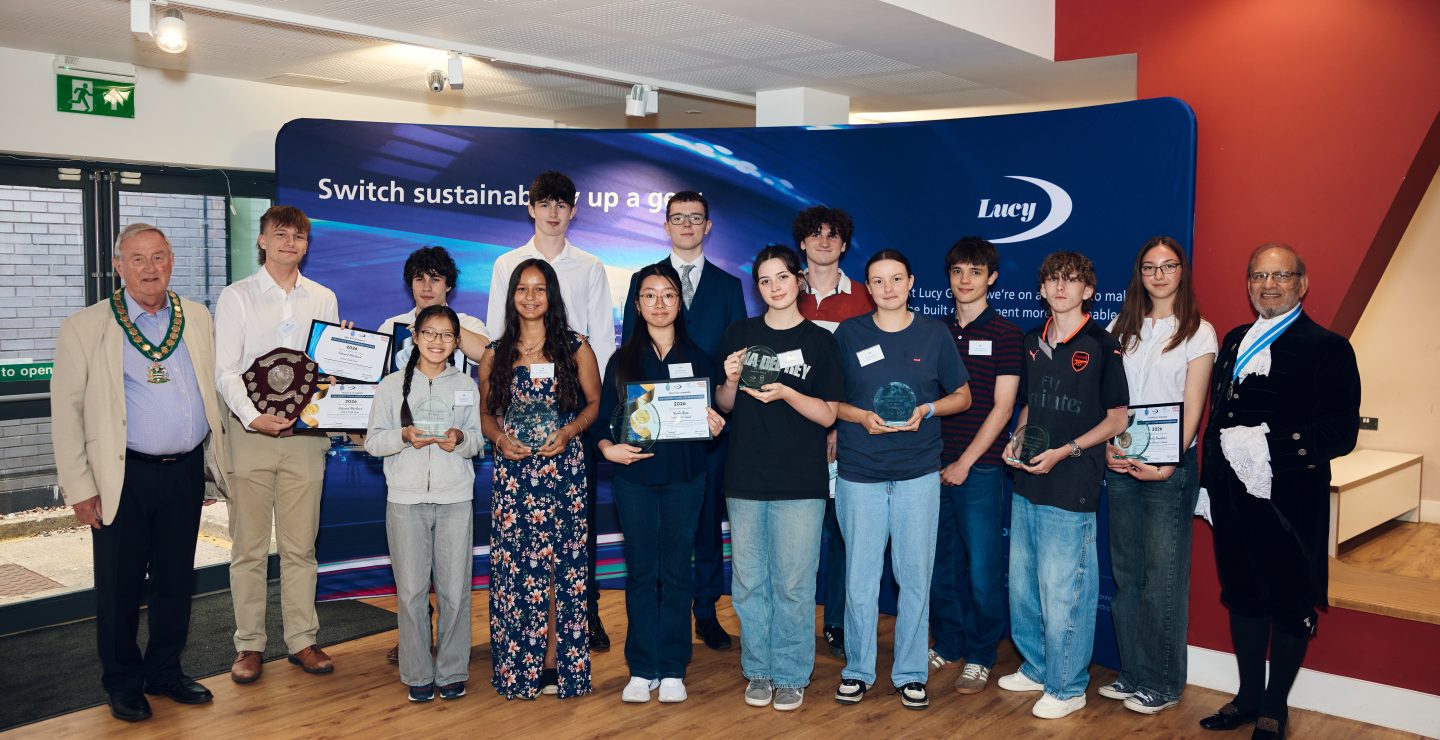
The annual Oxfordshire High Sheriff Young Engineer Awards took place on 29th June at Abingdon & Witney College to recognise students who show great promise in the fields of engineering, advanced materials and design technology.
Richard Dick, Executive Chairman at Lucy Group and founder of the Oxfordshire High Sheriff Young Engineer Awards, said: “Our aim is to help address the UK’s long-term engineering skills shortage by encouraging more young people to pursue engineering, manufacturing and technology pathways. We also want to promote diversity within the profession by highlighting the achievement of students from different backgrounds, schools and abilities, including those from SEND settings.”
State schools across the county were invited to nominate students aged 12-18 across three age categories, Years 12 & 13, Years 10 & 11 and Years 8 & 9. The awards were sponsored by Abingdon & Witney College, The Engineering Trust and Lucy Group, a long-standing Oxford company that makes infrastructure for a sustainable future.
The judging panel comprised Richard Dick, Jawaid Malik (High Sheriff of Oxfordshire), Andy Linfoot (Engineering Director, Lucy Electric), Mark Vingoe (CEO, The Engineering Trust), Martin Sweeney (Global Head of Product Management, Lucy Electric), Matt Bryant (Talent Development Partner, Lucy Group) and Maisi Partridge (Apprentice, Lucy Electric). Prizes included £400 for the winning student in each category and £1,000 for the students’ respective school or college. There were also runner-up prizes in each category, a Team Award and an overall High Sheriff Award.
This year’s overall winner of the High Sheriff Award was Edward Marland, a year 12 &13 student from Didcot Sixth Form. Edward designed and developed an innovative electronic knee brace to assist users with injury, reduced mobility and long-term joint conditions. Combining biomechanics research, user-centred design and extensive consultation with athletes and medical professionals, he created a wearable device that supports leg movement and improves mobility.
Mark Vingoe of The Engineering Trust said: “By encouraging today’s students to apply science, technology, engineering and mathematics (STEM) knowledge to real-world challenges, we can help nurture the next generation of engineers, innovators and problem-solvers who will contribute to the UK’s future economic growth, technological advancement and global competitiveness.”
For more news and information, please click here.
-
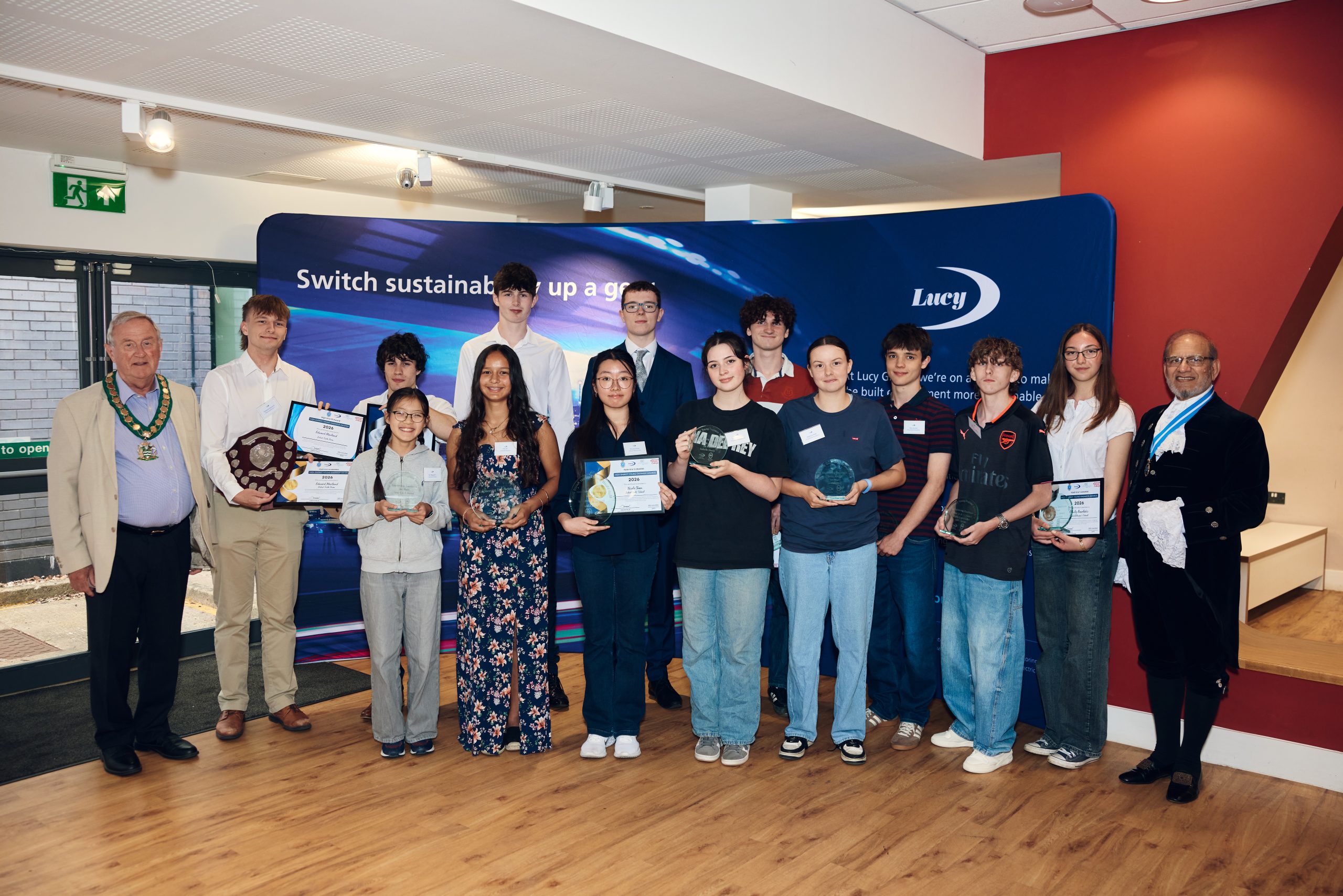
- All winners.
-
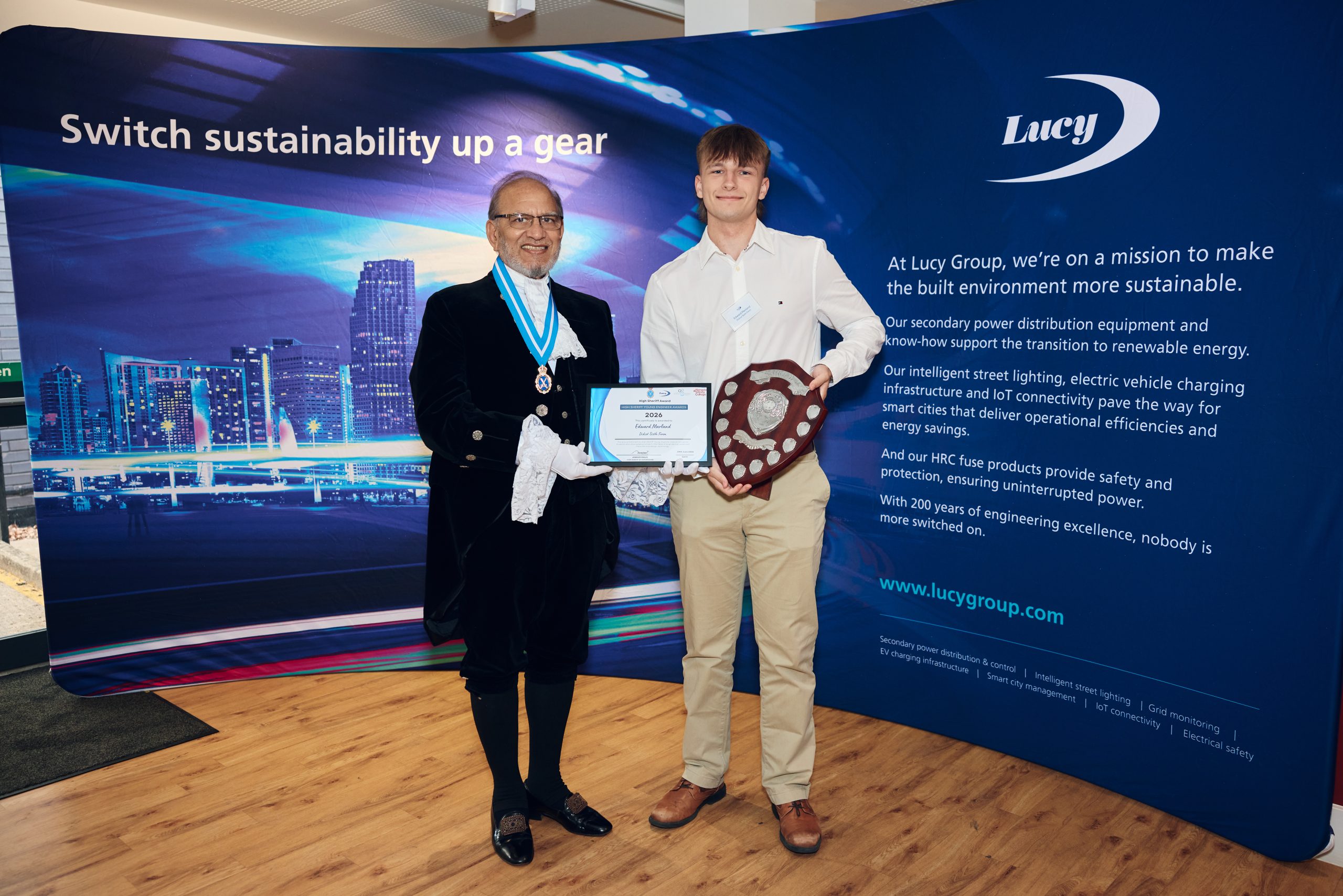
- High Sheriff Award – Edward Marland.
-
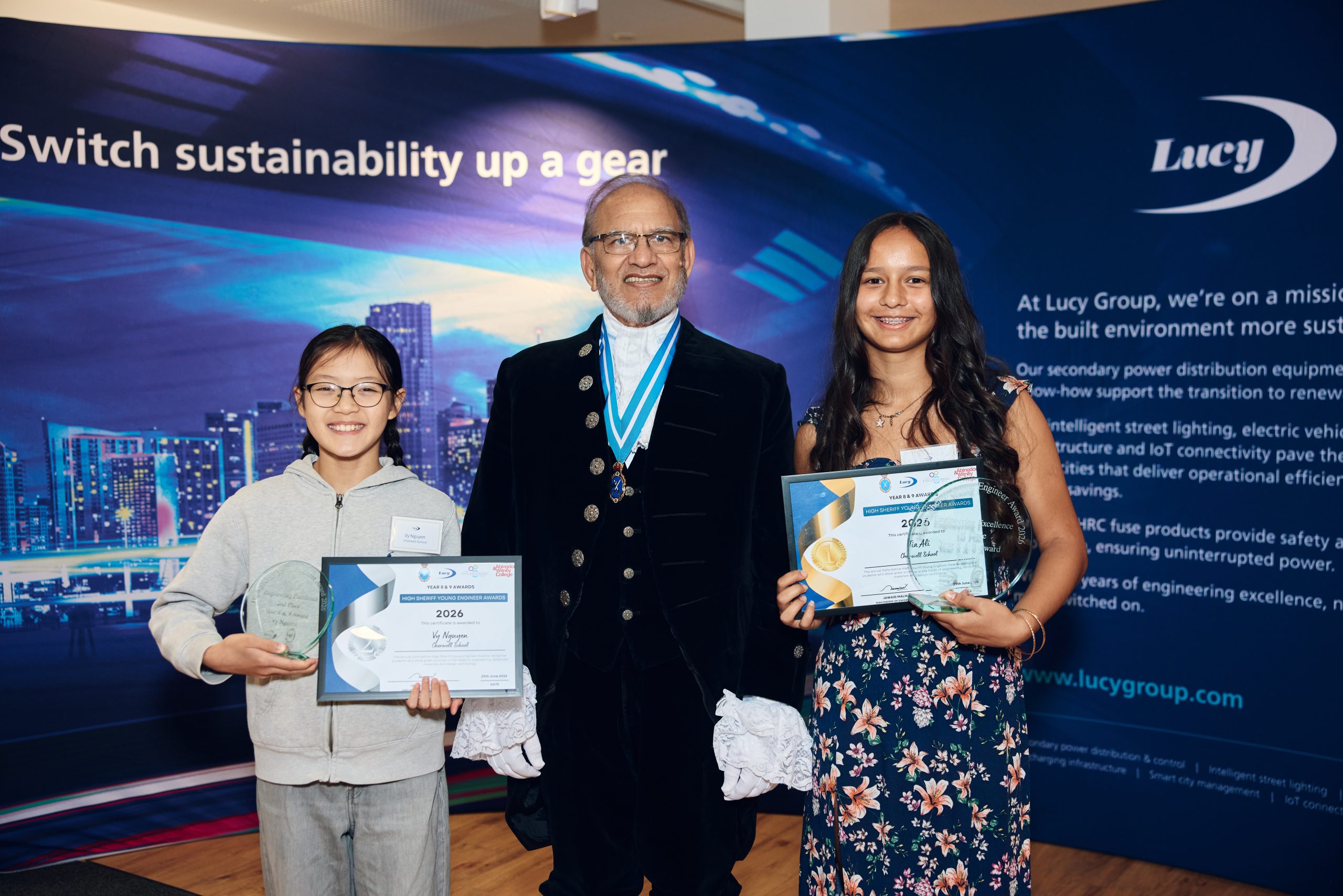
- Year 8 & 9 award. 1st – Tia Ali. 2nd – Vy Nguyen.
-
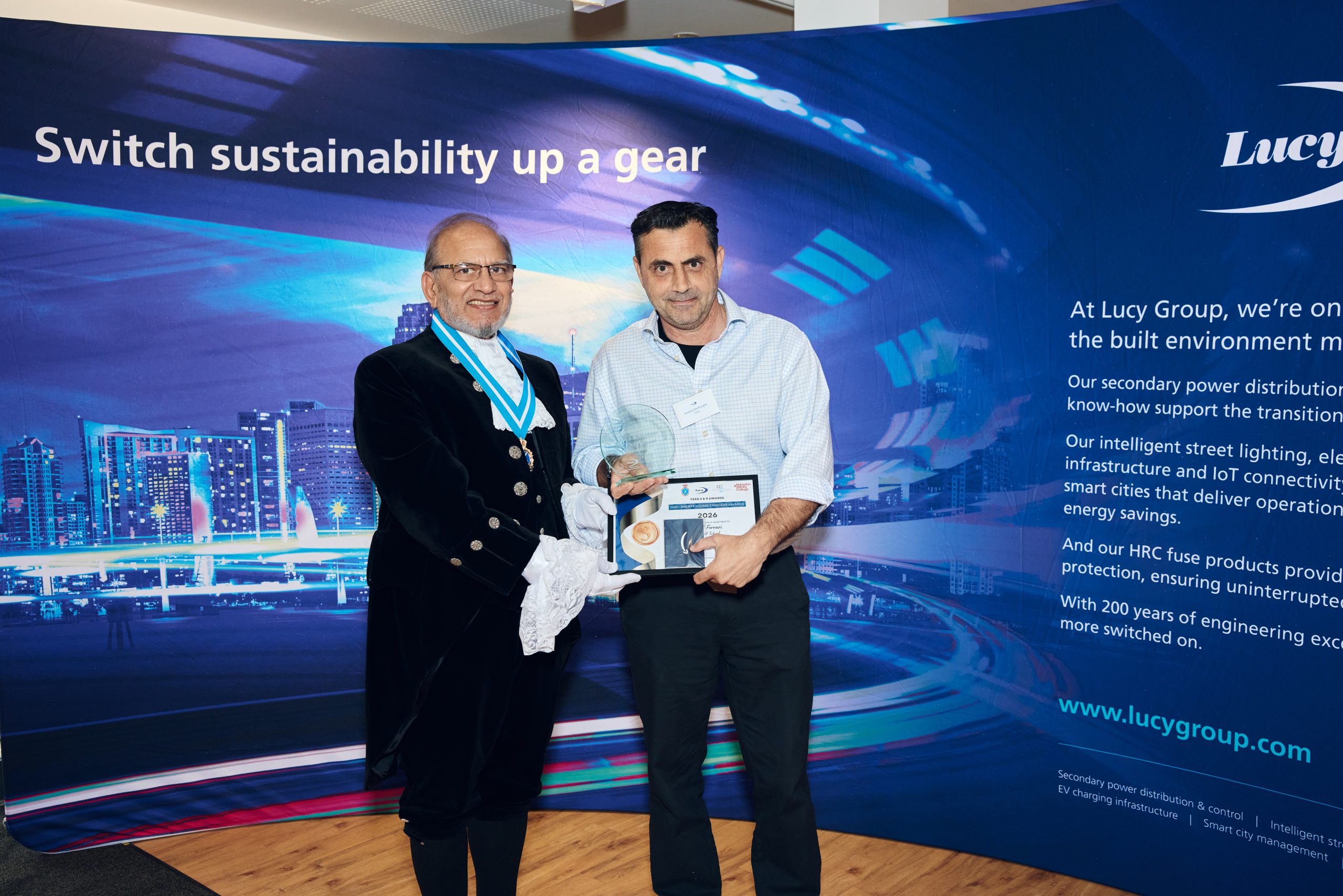
- Year 8 & 9 award. 3rd – Daniel Ferrari.
-
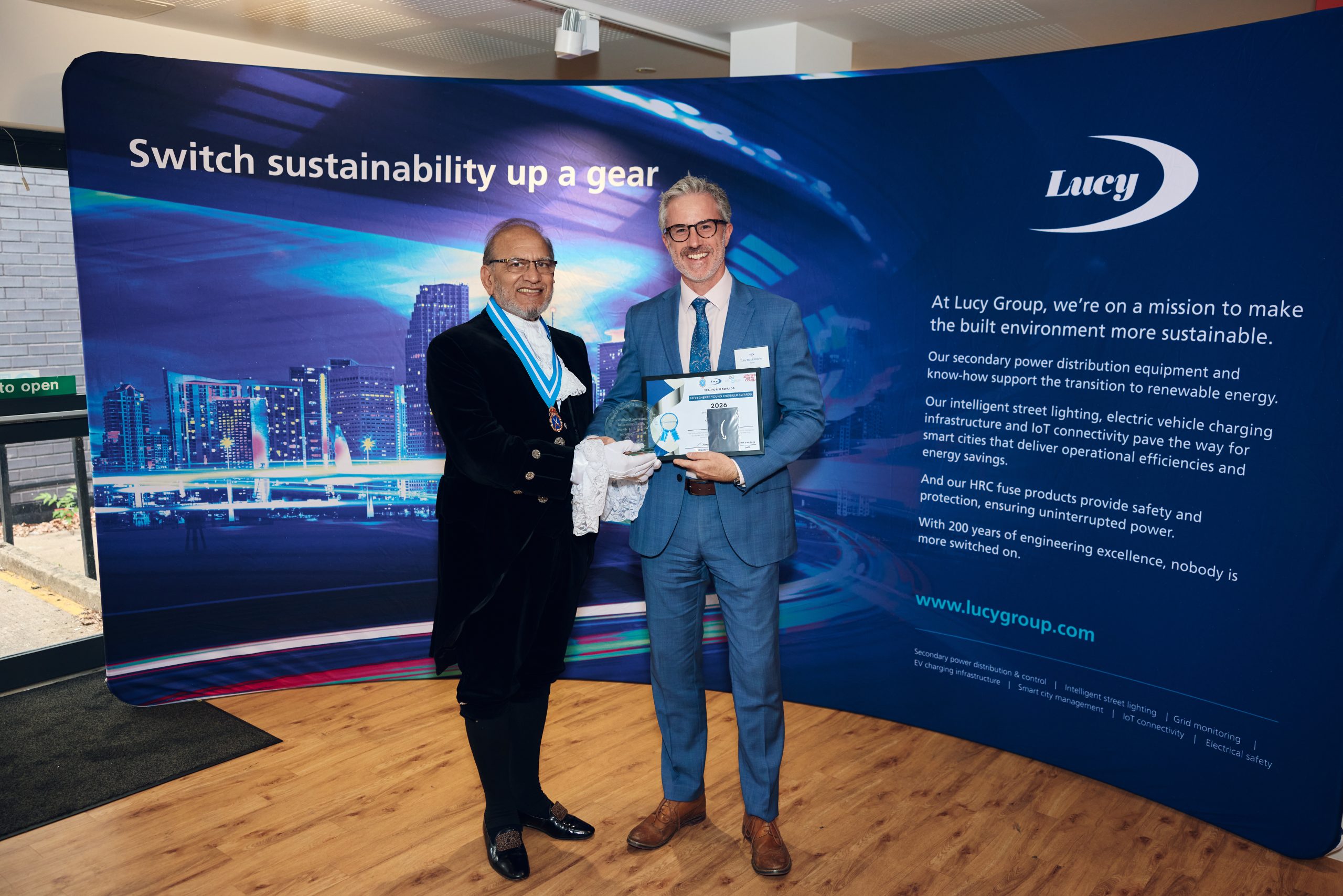
- Commendation award – Joshua Townsend.
-
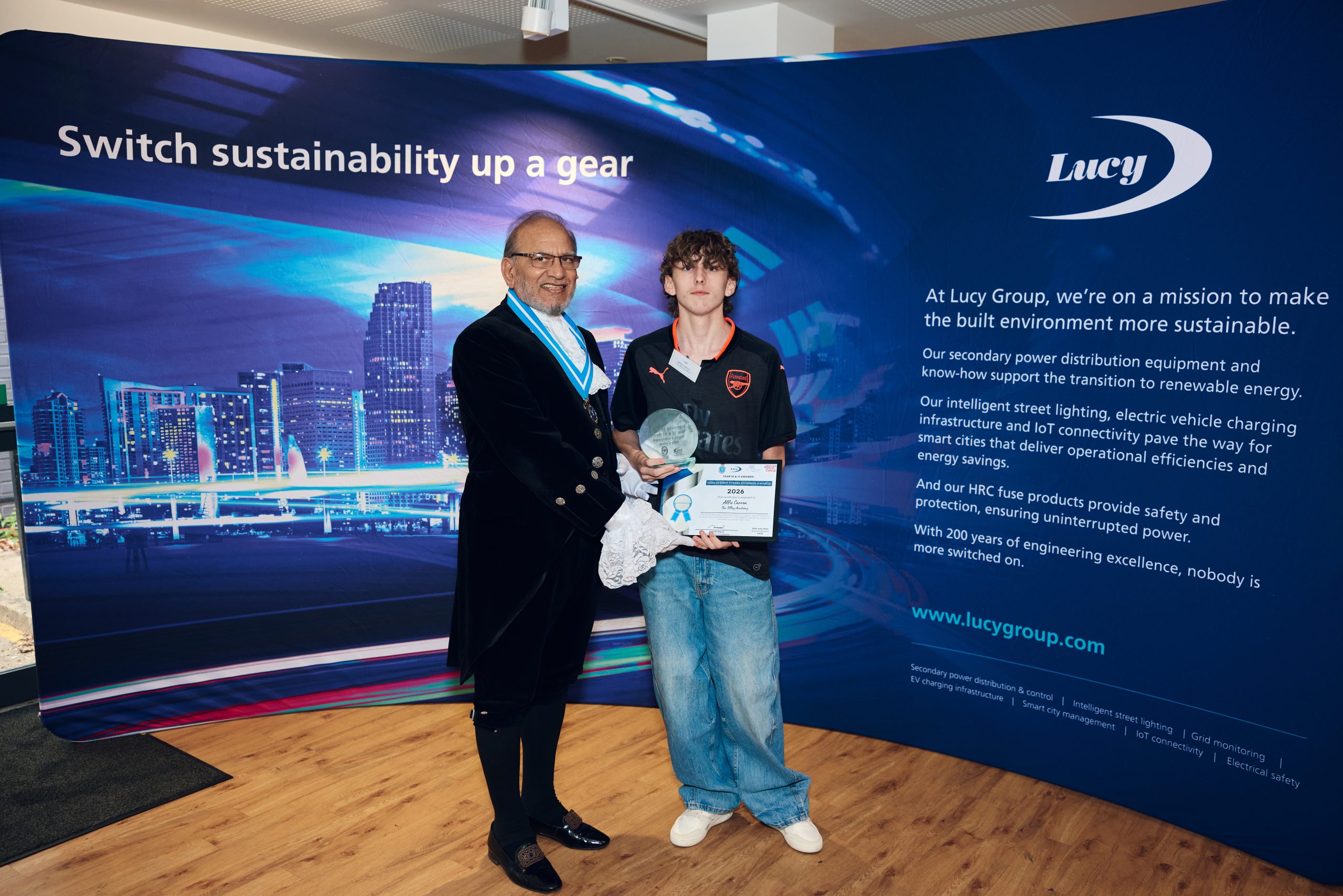
- Commendation award – Alfie Carron.
-
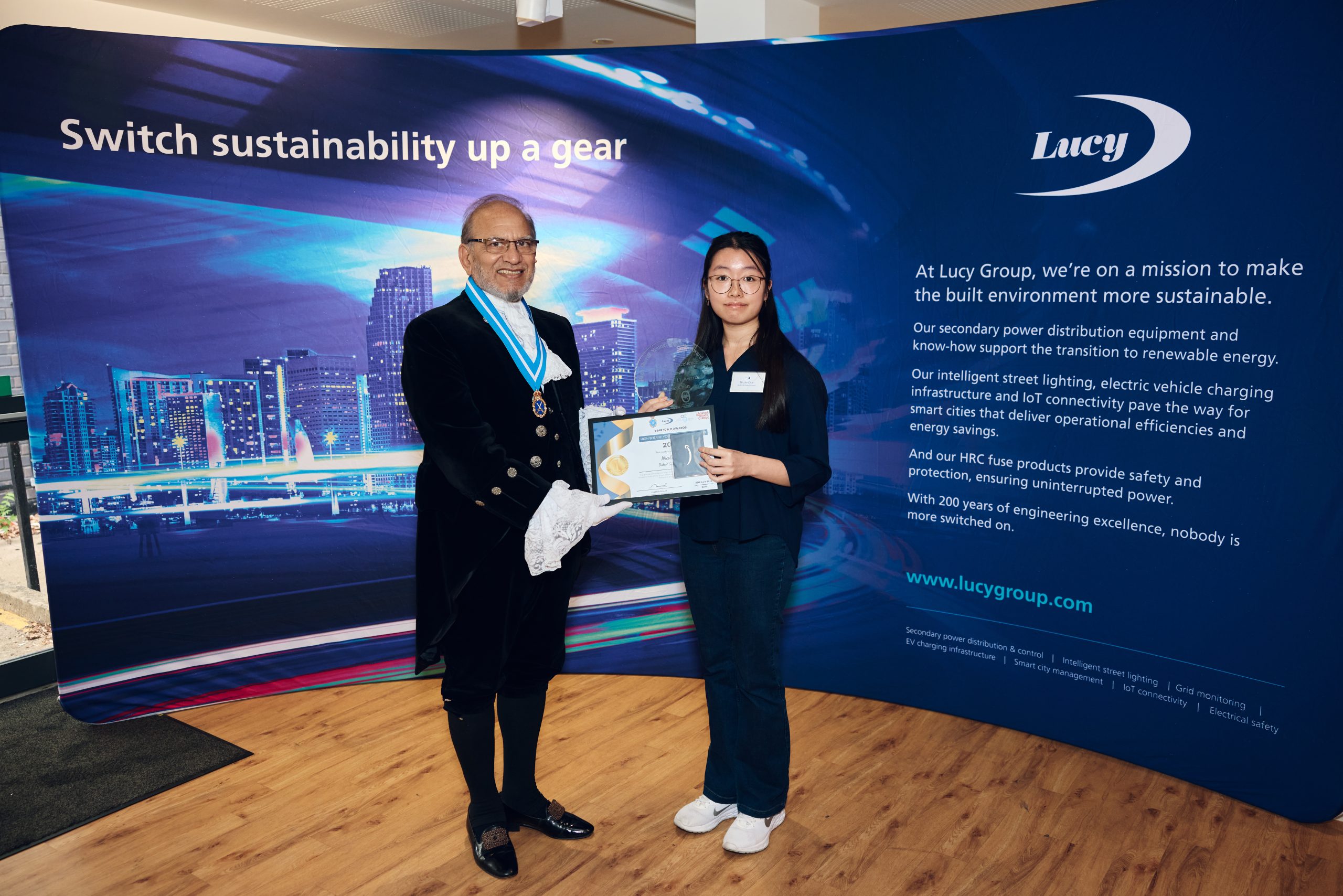
- Year 10 & 11 award. 1st – Nicole Chan.
-
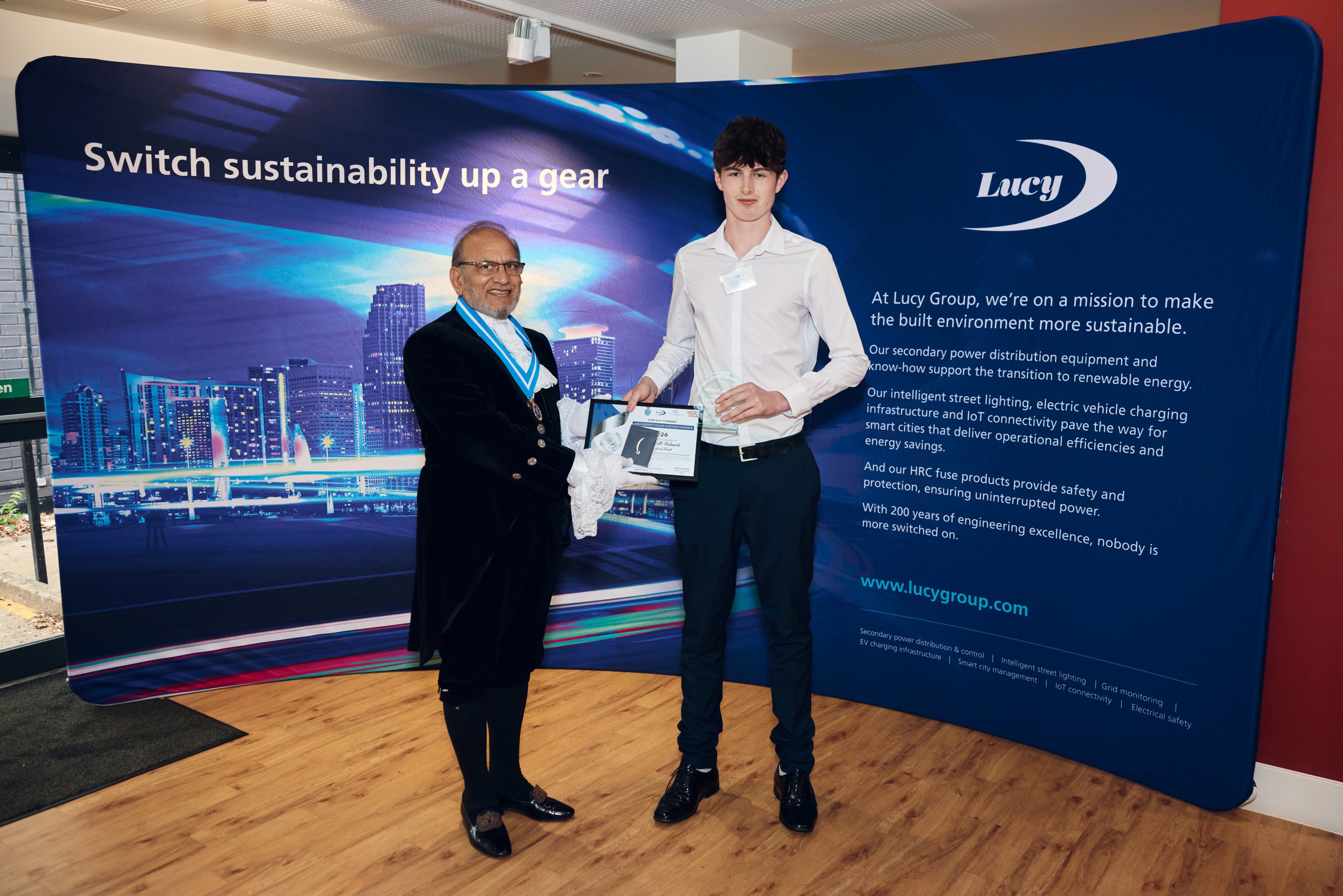
- Year 10 & 11 awards. 2nd – Fin Beardall-Richards.
-
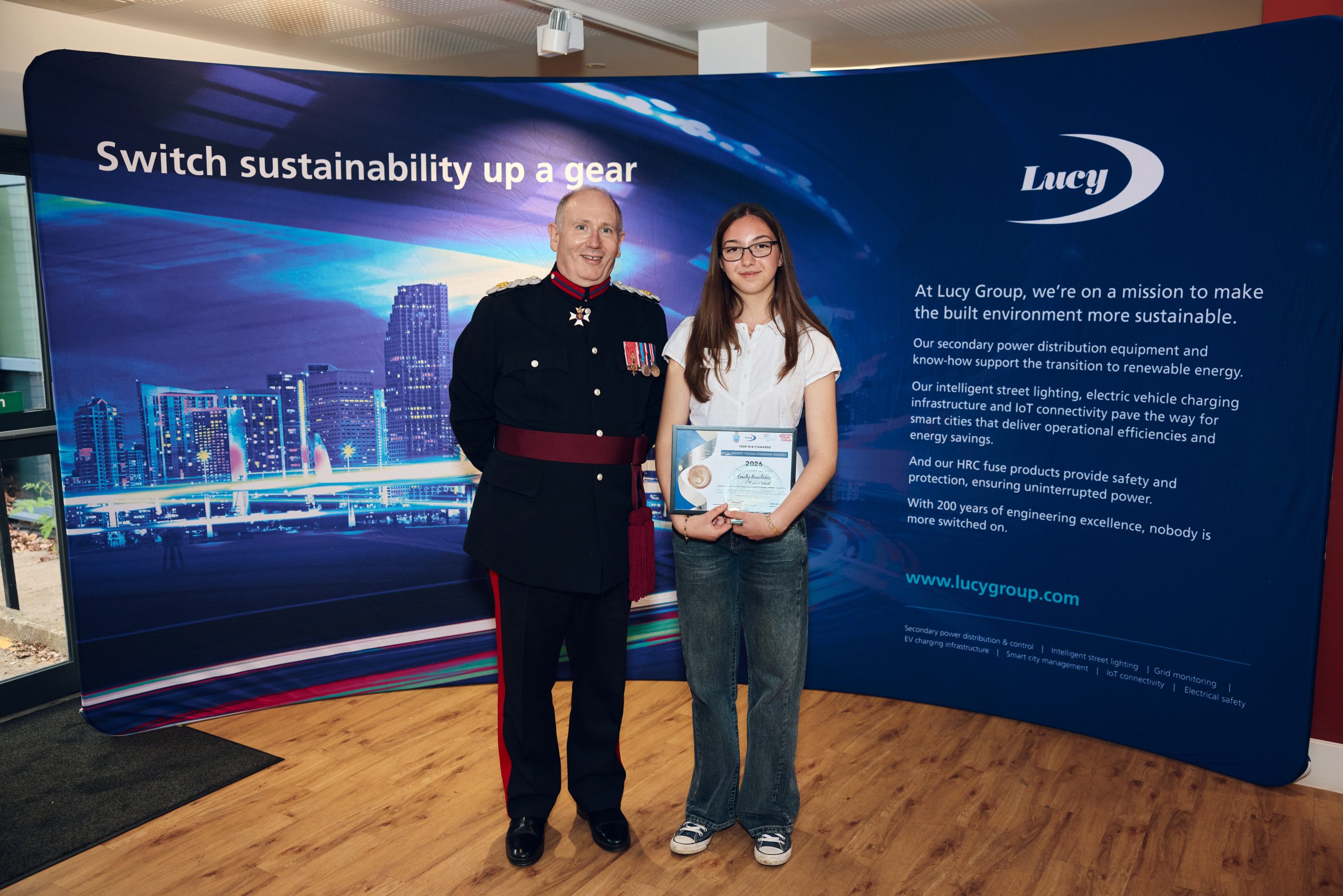
- Year 10 & 11 award. 3rd – Emily Bourlakis.
-
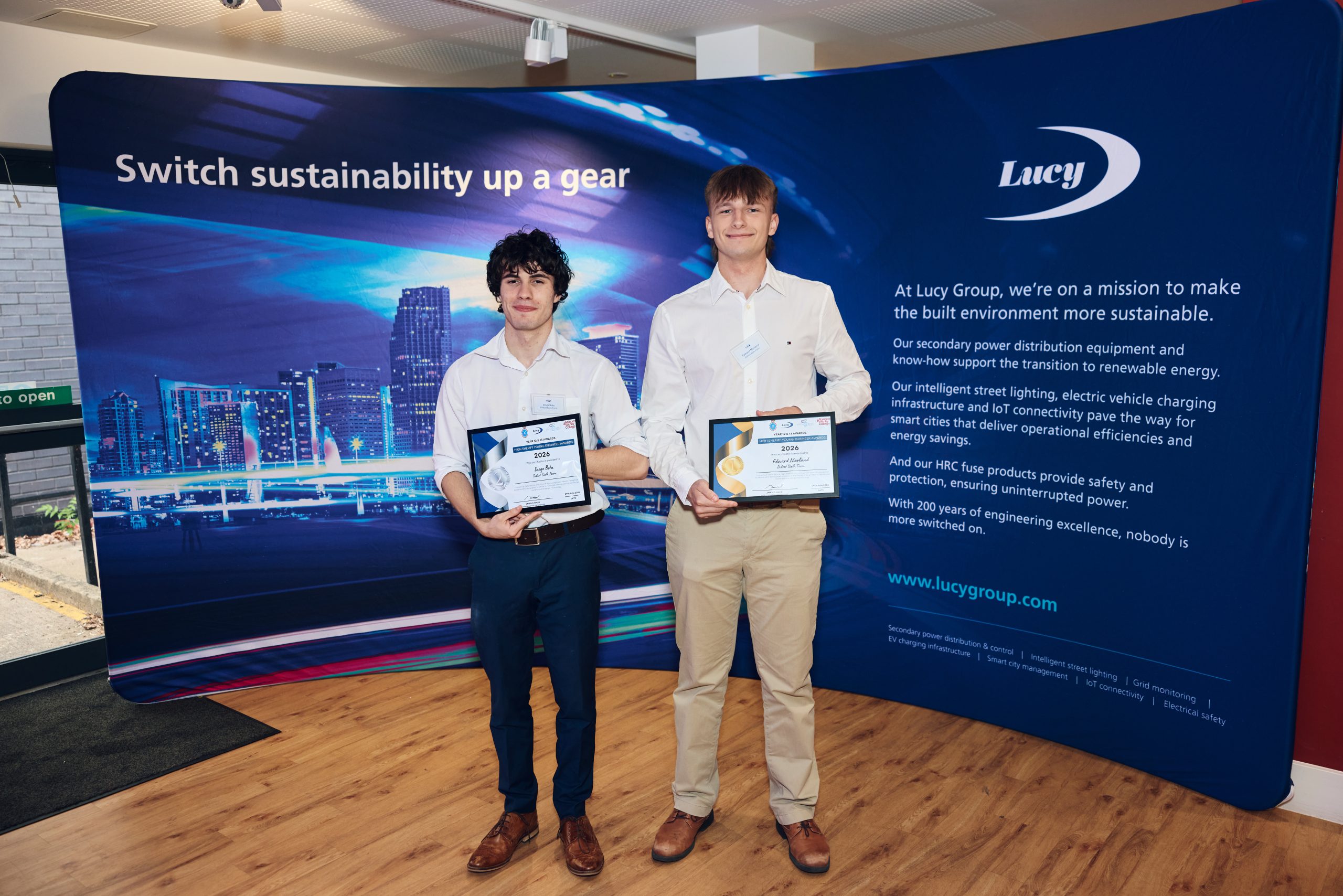
- Year 12 & 13 award. 1st – Edward Marland. 2nd – Diogo Bota.
-
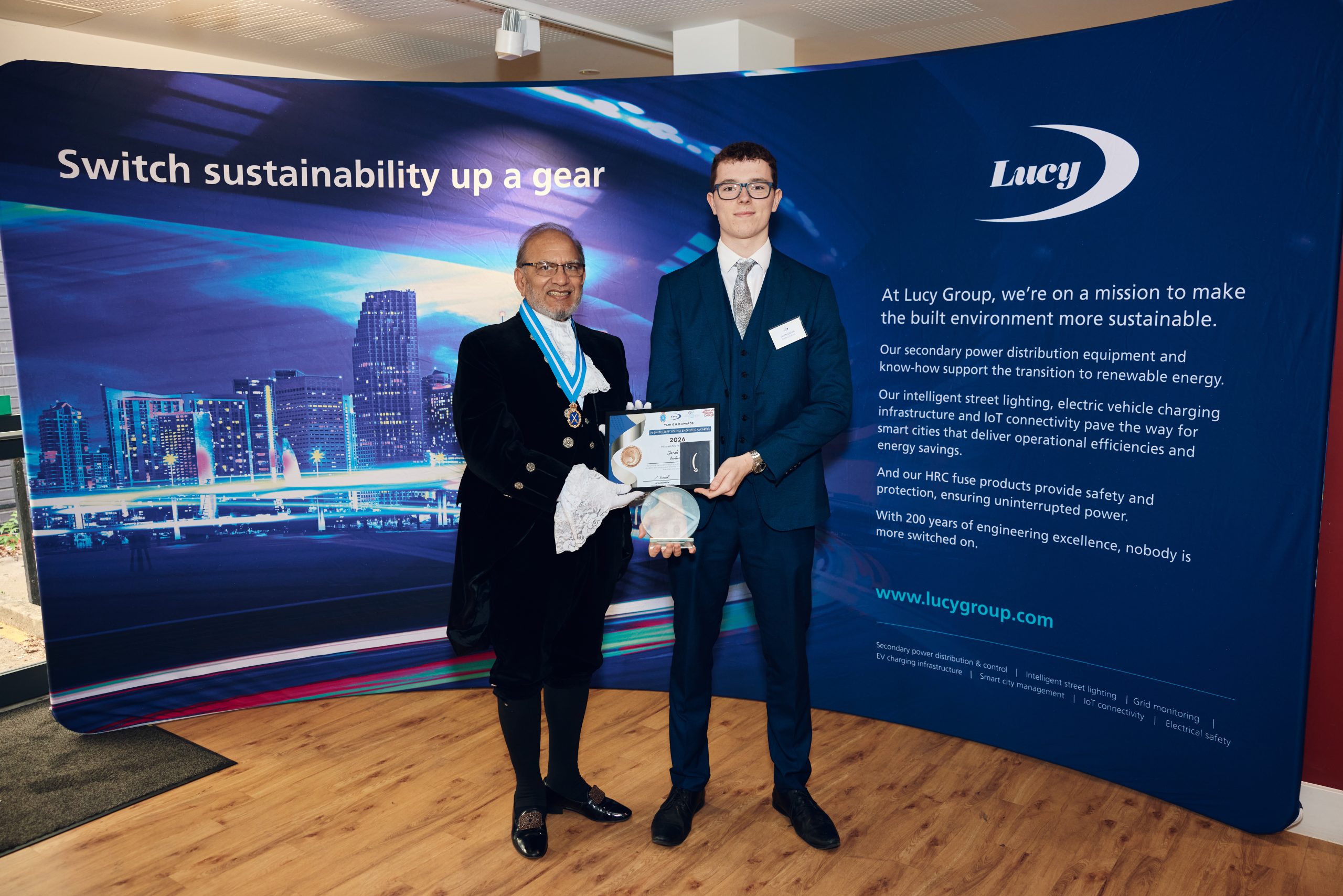
- Year 12 & 13 award. 3rd – Jacob Ogilvie.
-
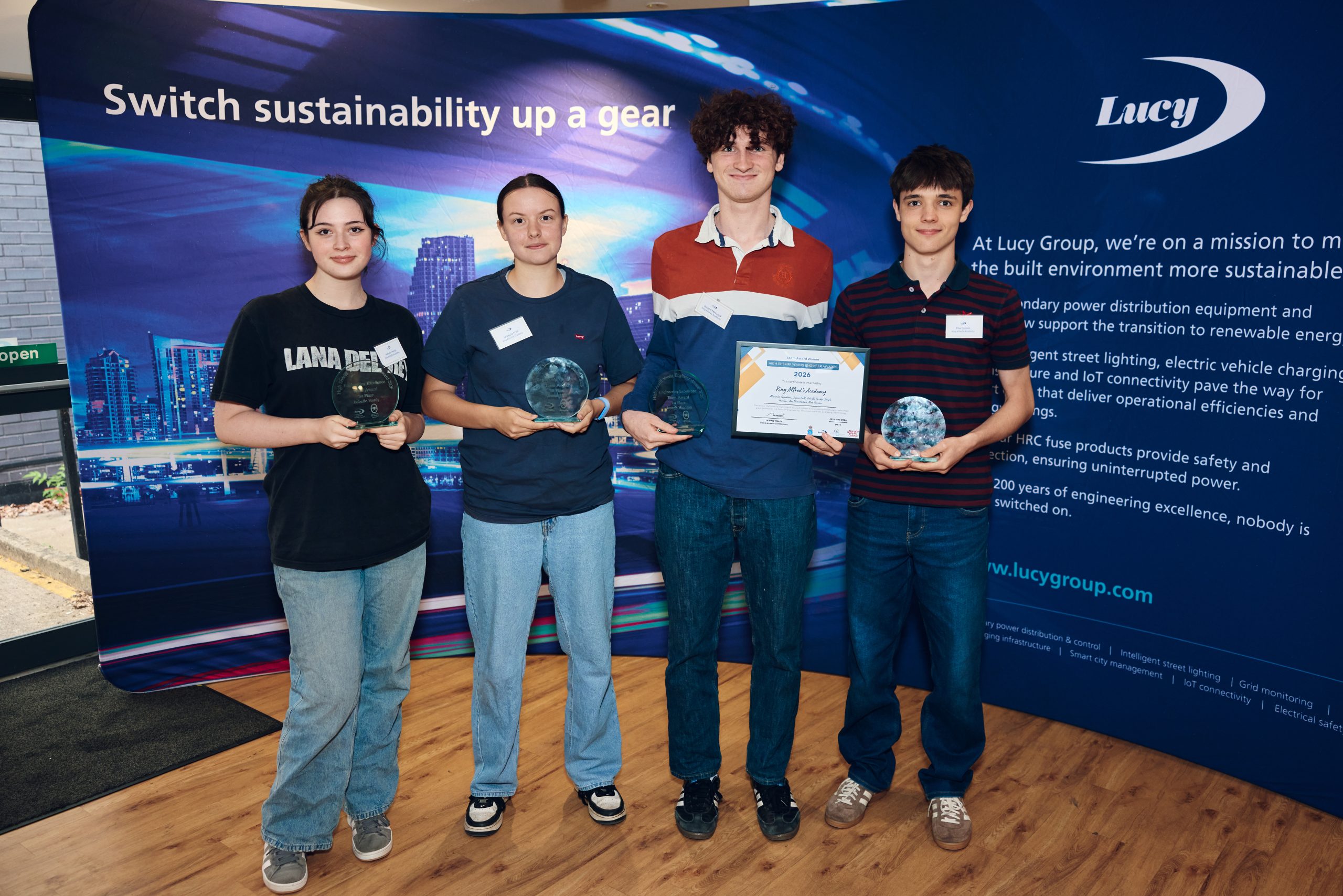
- Team award winners.